CASE STUDY
Maritime Education & Training
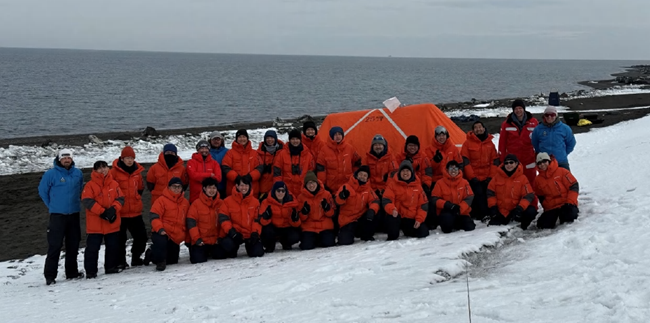
In preparation for the launch of the Arctic research vessel Mirai II, we conducted a specialized polar survival training program in Japan with the aim of enhancing seafarers’ emergency response capabilities in extremely cold and ice-covered waters.
This project went beyond statutory training requirements and leveraged the extensive expertise in seafarer education that our group has accumulated through decades of actual vessel operations. The training placed strong emphasis on practically developing sound judgment, decisive action, and teamwork under extreme conditions.
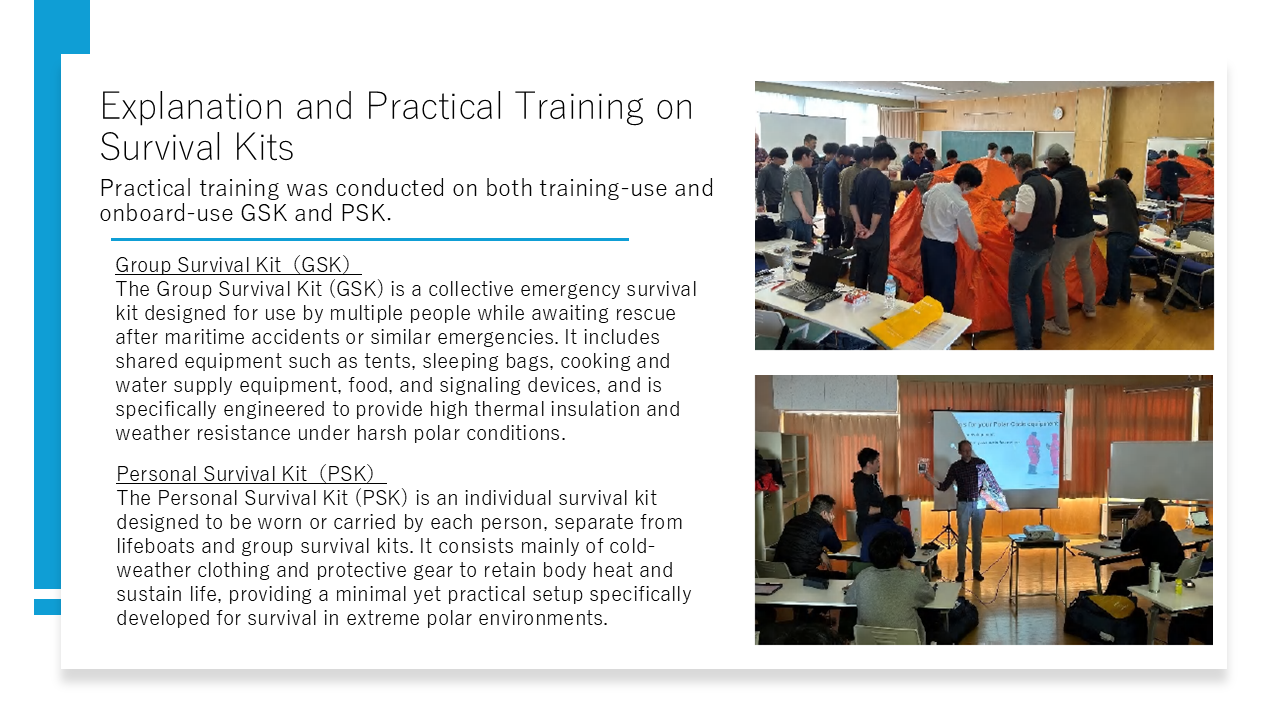
By integrating classroom-based lectures, practical exercises, and field training that included a 48-hour winter camping experience, the program was designed to simulate situations that seafarers may face in real operations. Through this approach, participants aimed to acquire the knowledge and experience required for polar navigation in an integrated and realistic manner.
In Arctic regions, operating conditions differ significantly from those in conventional sea areas, including uncertainty over when rescue may arrive and rapidly changing weather and ice conditions.
Conventional seafarer education and general safety training alone have been insufficient to fully address these polar-specific risks. In addition, under extreme conditions, safety depends not only on individual competence but also on team-based decision-making and consensus-building.
There was therefore a strong need for training programs that cultivate seafarers who are capable of calmly prioritizing tasks and taking appropriate action even when physical strength and concentration are diminished under severe cold conditions.
The training program was conducted over approximately eight days in and around Mombetsu City, Hokkaido, as well as on the ice of Lake Saroma.
In the first half of the program, participants attended classroom lectures and practical exercises to deepen their understanding of polar environments, equipment, and associated risks. In the latter half, the training transitioned to outdoor field conditions, where seafarers practiced making operational decisions under extreme cold.
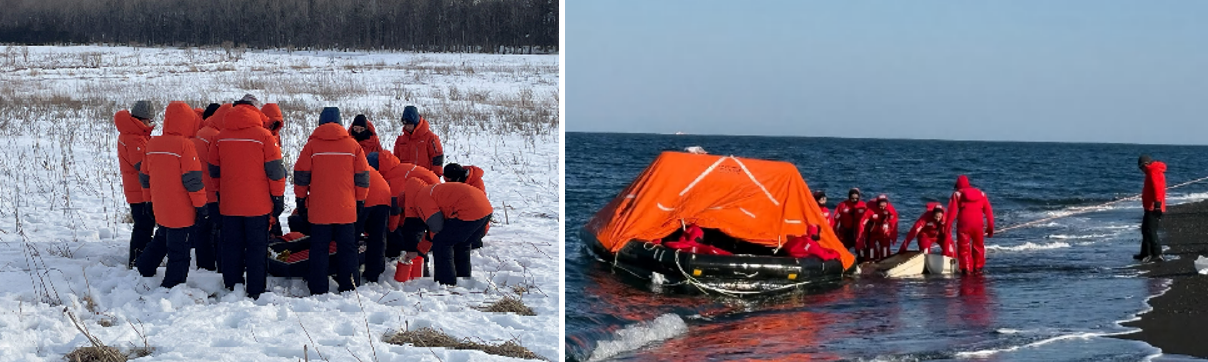
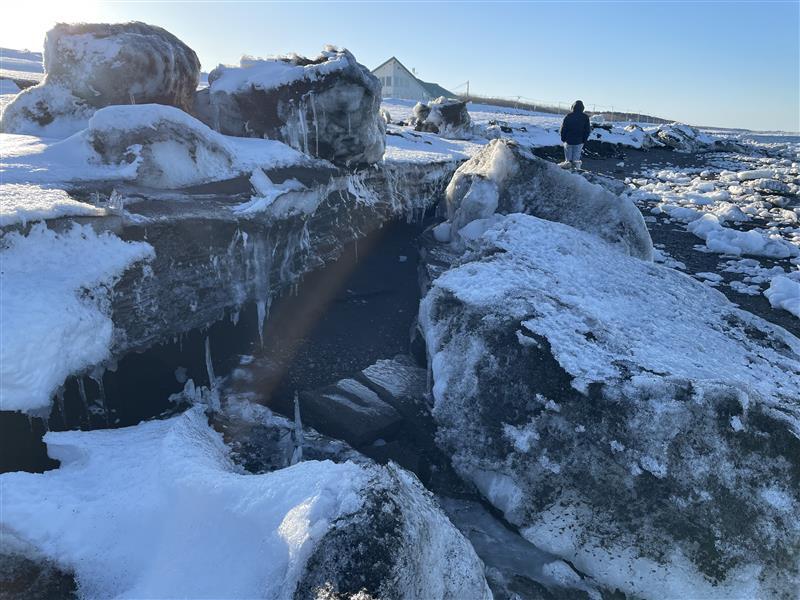
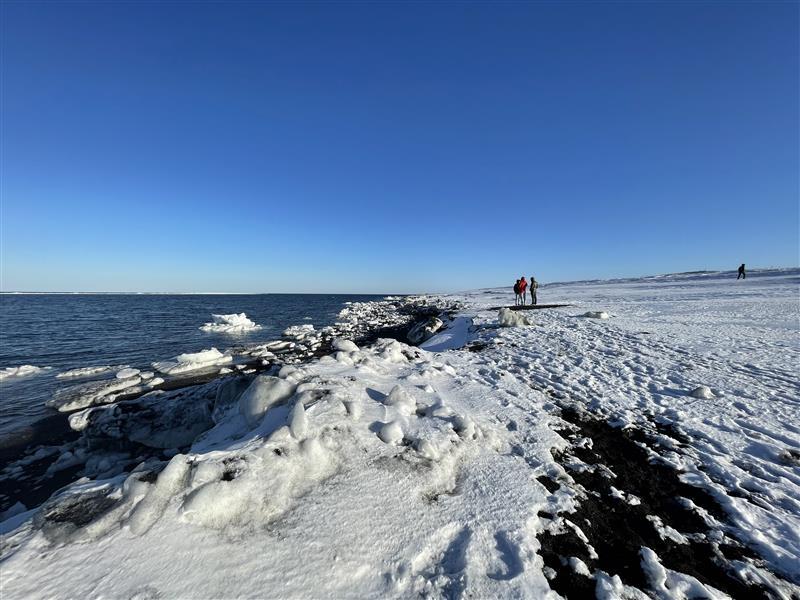
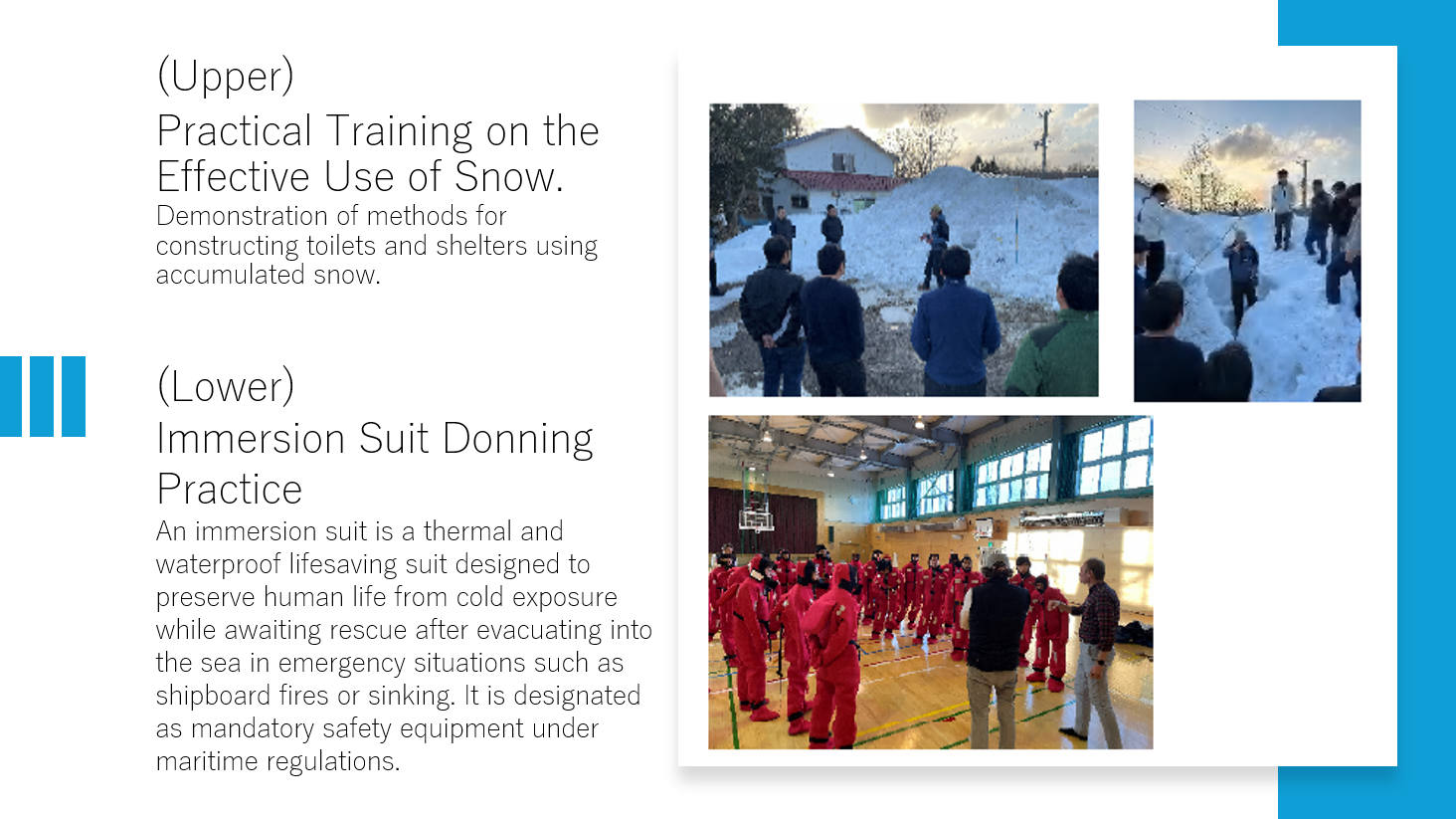
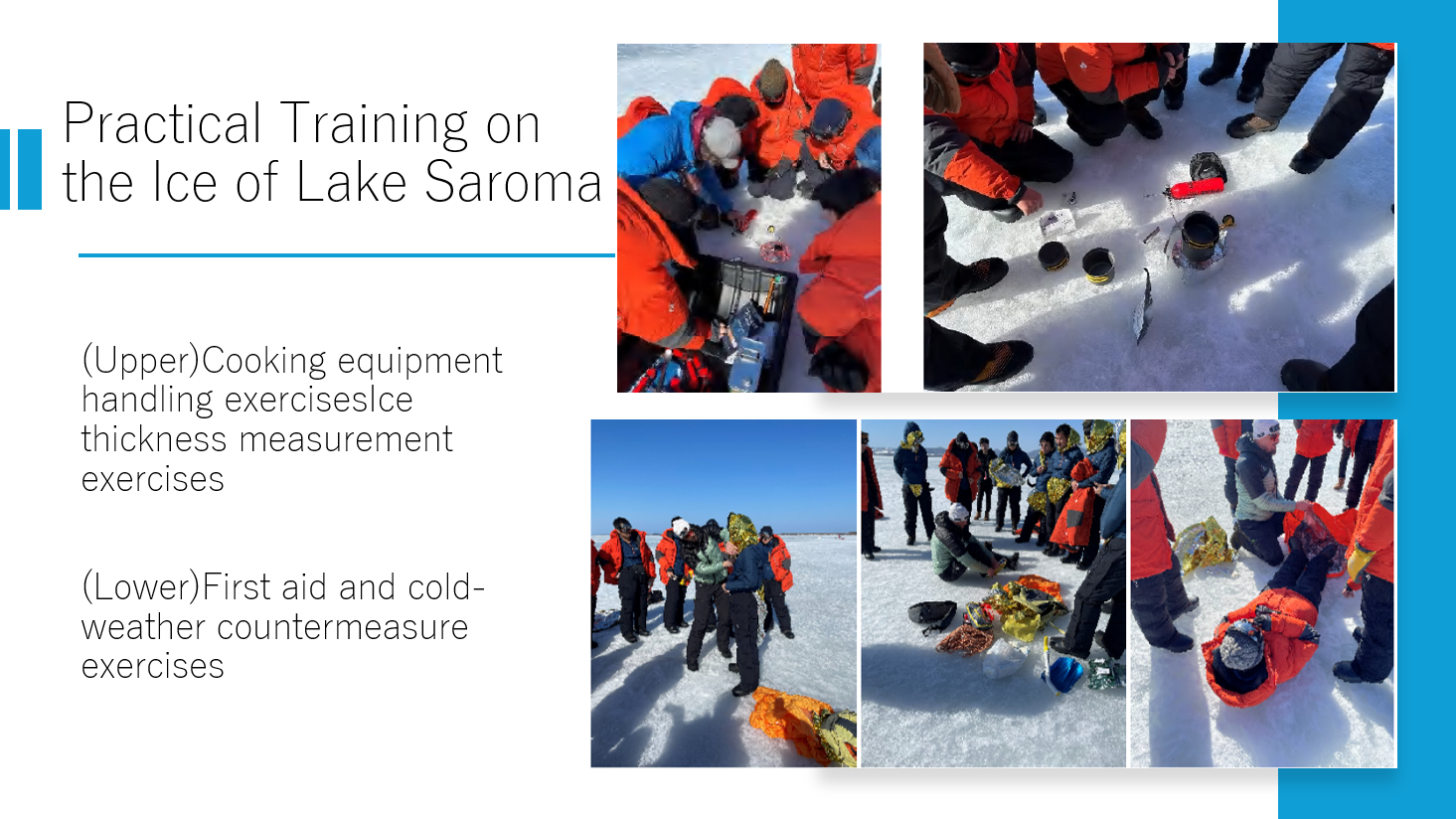
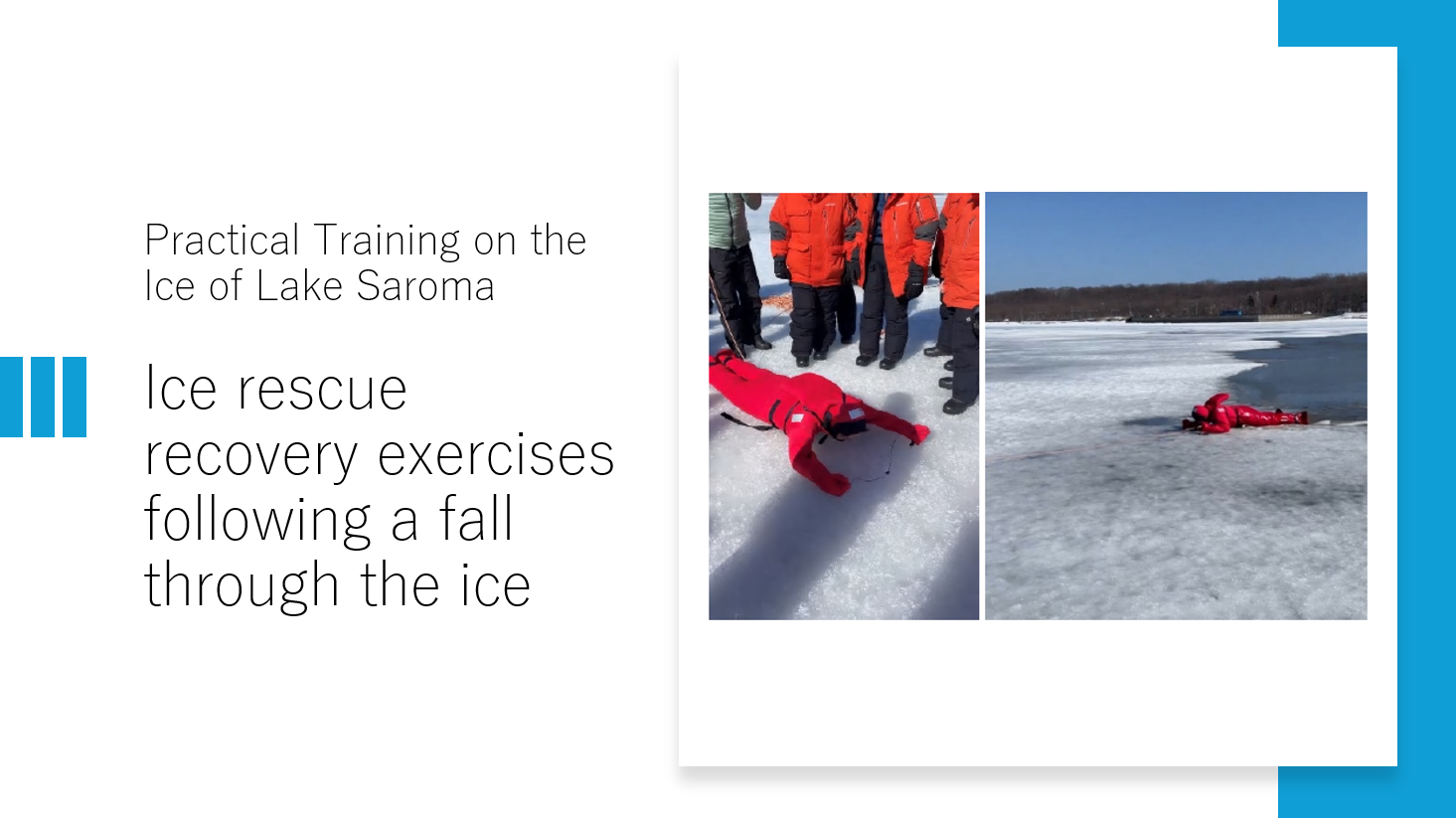
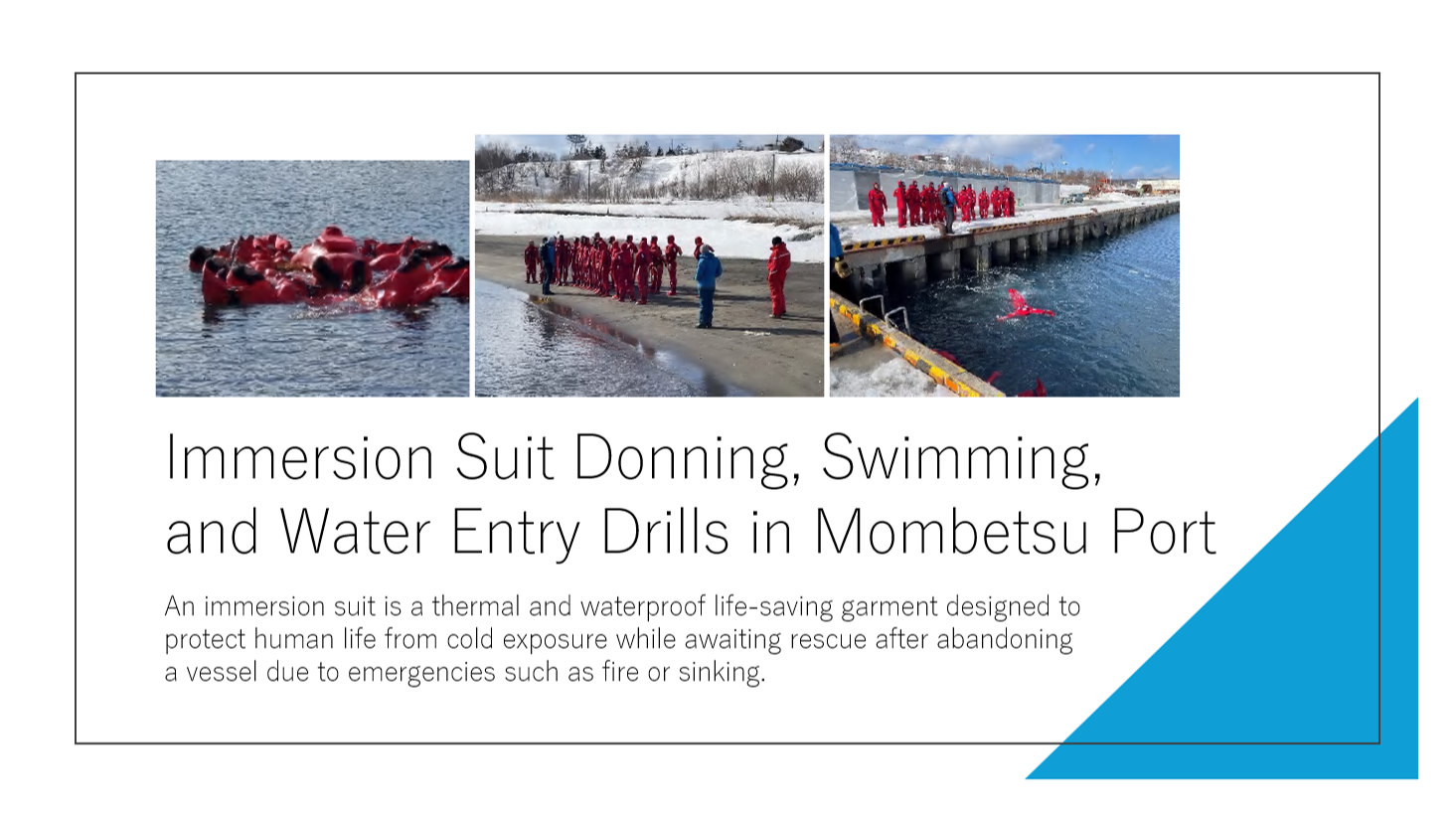
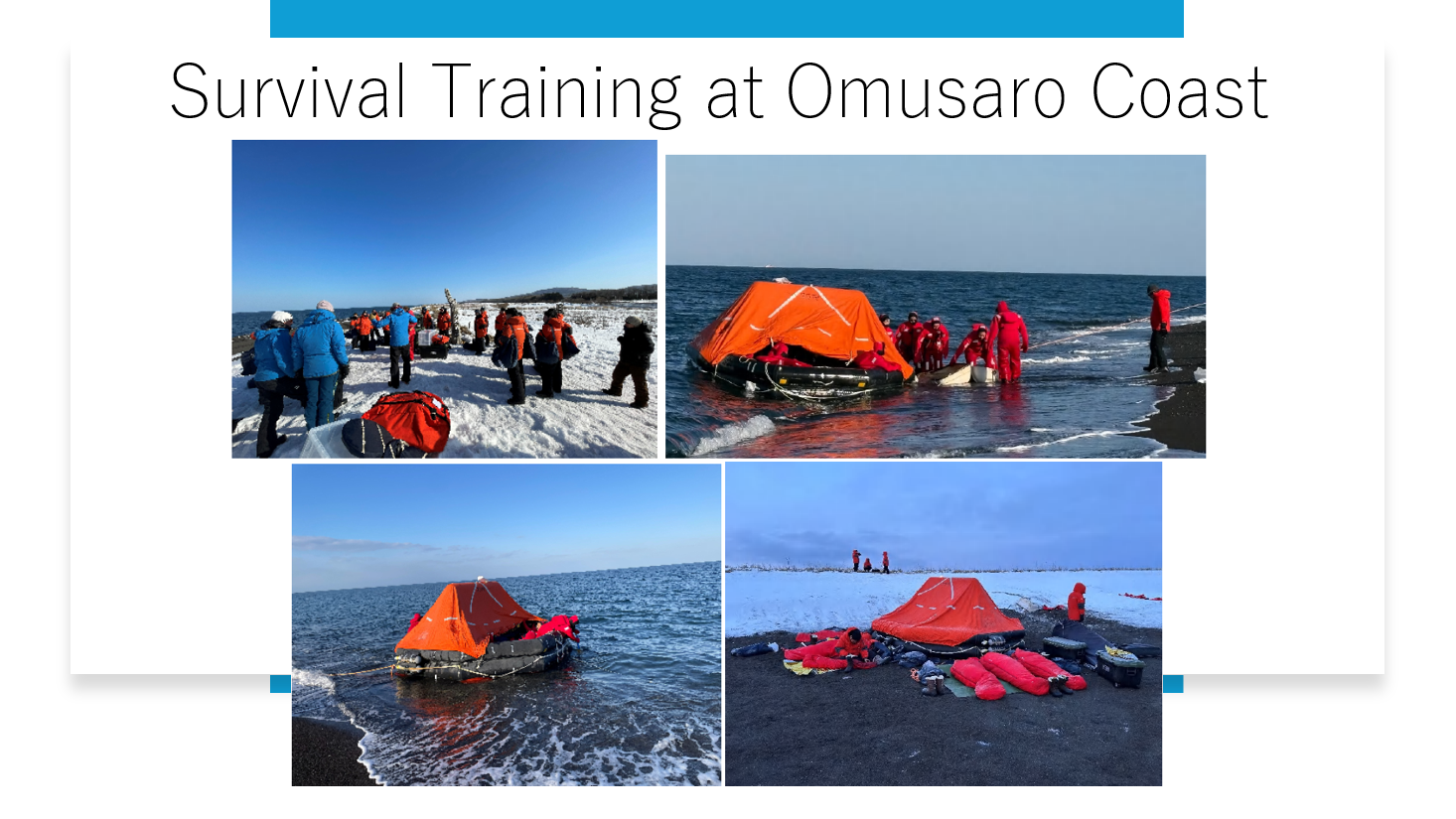
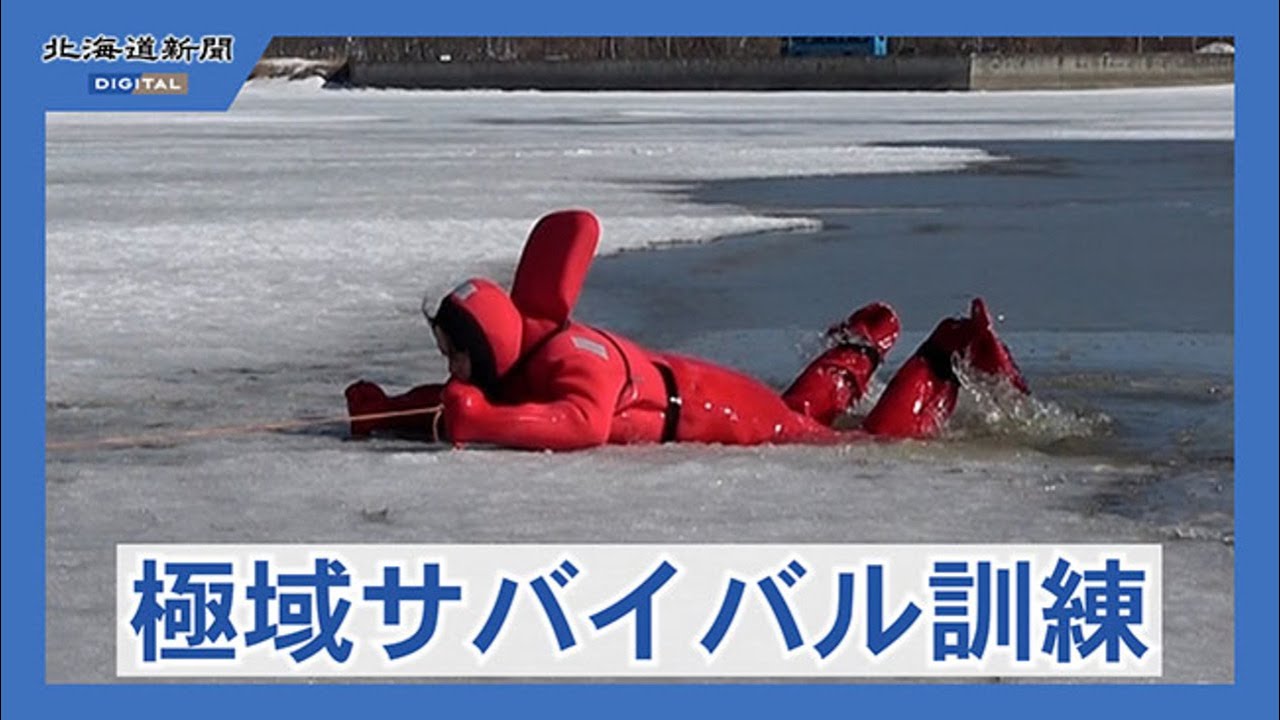
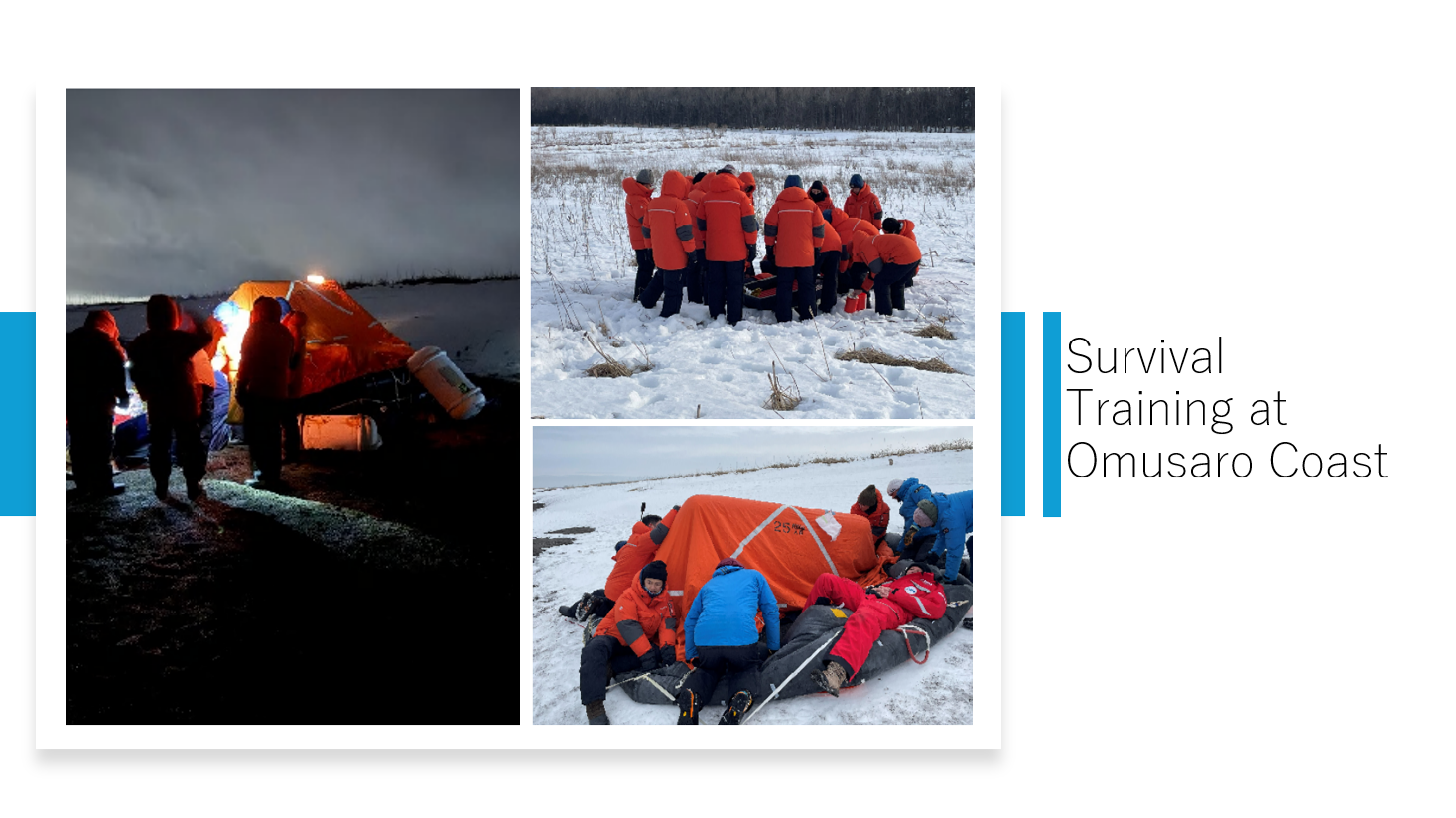
In addition to practical drills such as immersion suit donning and swimming in cold water, ice rescue recovery, first aid, and cold-weather protection, a 48-hour survival field exercise involving winter camping was conducted along the coast of the Sea of Okhotsk.
Throughout the program, emphasis was placed on the process by which participants themselves think, discuss, and act using limited equipment and resources.
Note for smartphone users: If slides are not displayed above, please scroll down and select “View full article” at the bottom of the page.
A defining feature of this training program is the deliberate recreation of “situations with no clear right answer,” which are characteristic of polar regions.
Rather than providing detailed scenarios or instructions from the outset, the training was designed so that participants themselves determine priorities and actions amid uncertainty. Experiencing how knowledge acquired in classroom sessions is applied during practical drills and winter camping deepens overall understanding.
The process of exchanging opinions and building consensus among participants of varying ages and positions under extreme conditions was itself a critical component of the training.
Furthermore, the program functioned not only as personnel development but also as an opportunity to pre-validate equipment, operational methods, and risk management frameworks in preparation for future operations. Challenges and potential improvements that are difficult to identify in desk-based planning were successfully identified onsite.
Through the training, participants directly experienced the physical and mental strain of extreme cold environments and developed a deeper understanding of the importance of sound judgment and decisive action.
The experience of carefully considering “what to decide and what not to do” while cognitive ability declines due to cold and fatigue proved directly applicable to everyday onboard operations.
Post-training reviews encouraged participants to reflect on decision-making and communication in each situation and to articulate insights and lessons learned. As a result, individual experiences were shared as collective knowledge within the team, enabling training outcomes to be incorporated into future operational planning.
In addition, conducting the training domestically achieved high learning effectiveness while minimizing cost and travel constraints compared with overseas training programs.
Based on insights gained from this training, we aim to expand the duration of field training and further refine scenario design to achieve seafarer training that more closely replicates real operational environments.
At the same time, we will continue to enhance training effectiveness by improving equipment, teaching materials, pre-briefings, and review methods.
Looking ahead, we envision training programs involving multinational crews and researchers, with the goal of establishing a shared decision-making and training framework capable of supporting operations in high-difficulty polar regions.
This project will continue to be developed as a medium- to long-term initiative supporting safe navigation and research activities in Arctic waters.
You can also watch a video of the training here:
Our training programs have been designed based on our experiences spanning over 140 years. These programs are now offered to prevent accidents and to promote further growth of maritime transportation.
Please feel free to contact us about our Maritime Education & Training and associated services.
MOL's Annual Training Conference unites global instructors to enhance seafarer education, tackling challenges and exploring future training needs in maritime safety and technology.
We provided training to Engineers from the Philippine Coast Guard to help them understand methods of operating main engines and generators and to improve their repair skills.
Students from MMMA and the Tokyo University of Marine Science and Technology interact through internship programs.