ENERGY SAVING TECHNOLOGY / SMART NAVGATION
.jpg?width=1130&height=505&name=Pathway%20to%20Net%20Zero%20Emissions(MOL).jpg)
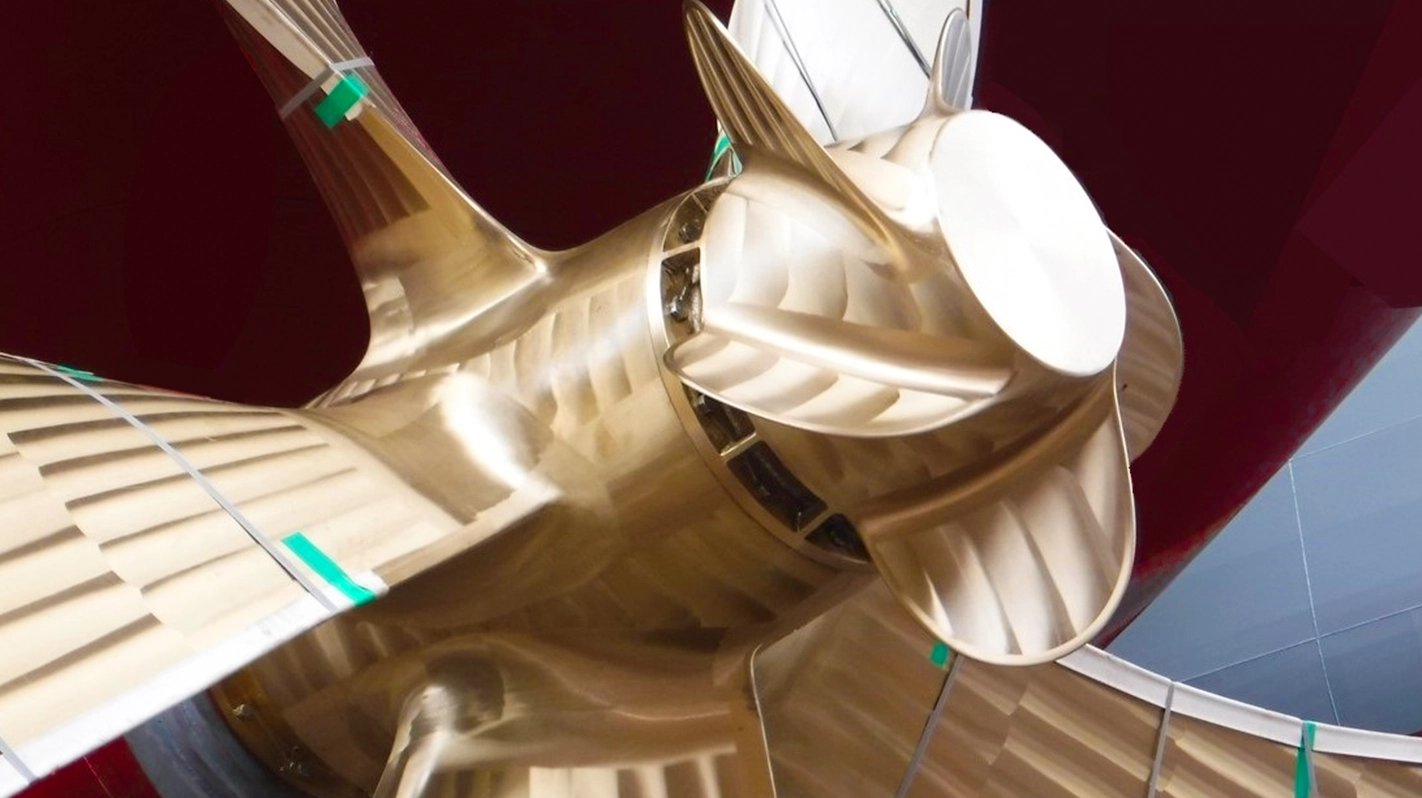
PBCF (Propeller Boss Cap Fins)
-
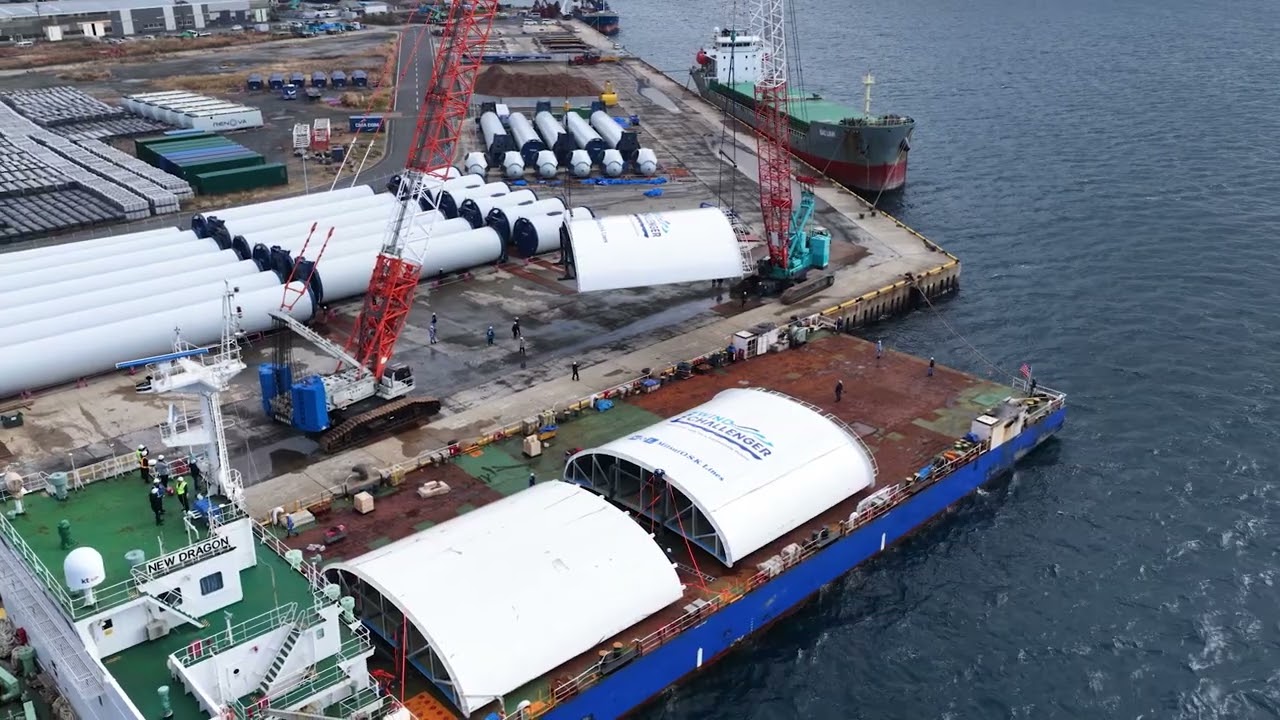
Delivering the Rigid Wing Sail Across the Sea ~MOL’s Comprehensive Transport Solutions~
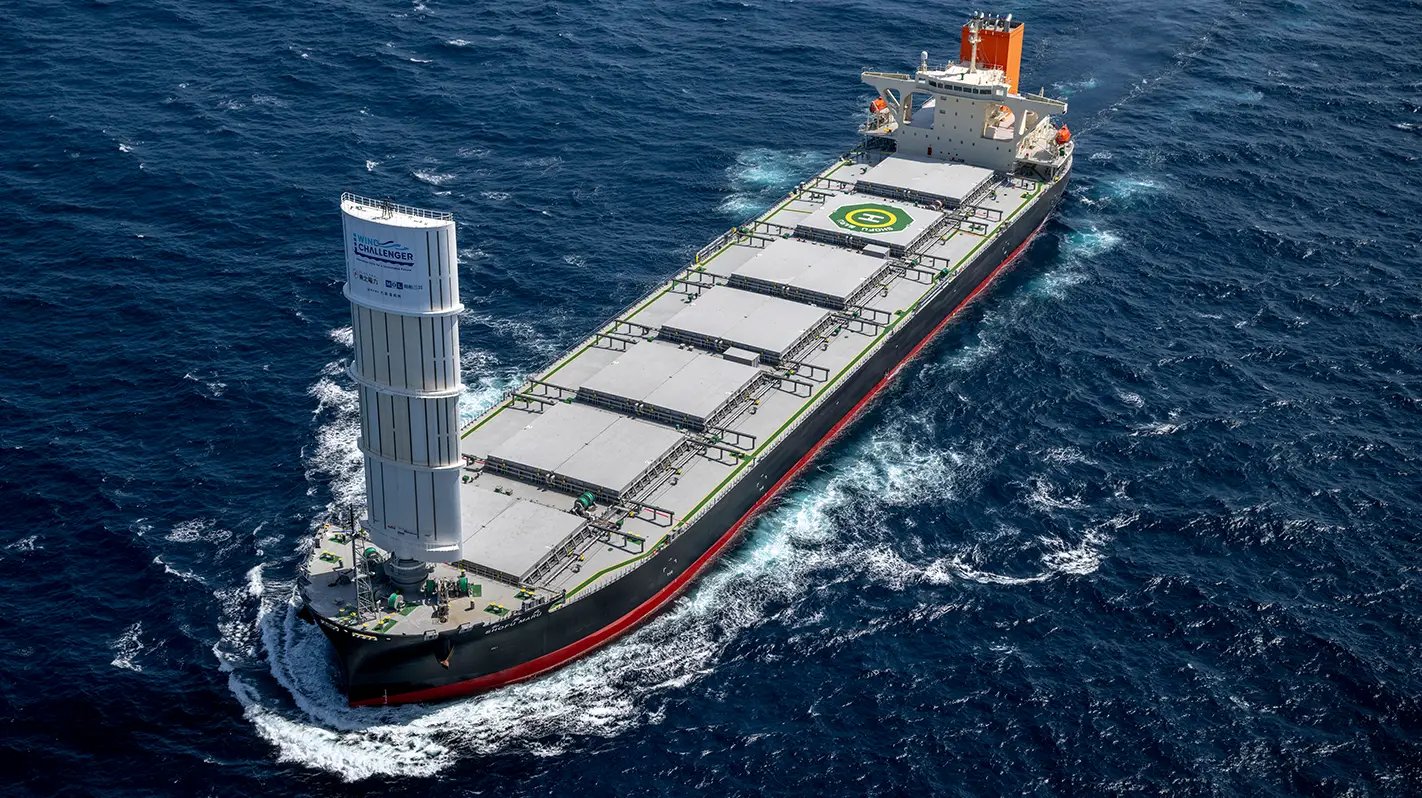
Mitsui O.S.K. Lines (MOL) carried out the marine transportation of the rigid wing sail of the “WIND CHALLENGER”—a hard sail wind propulsion system— to be installed on a newly-built LNG carrier. The sail was transported by sea from Nagasaki, Japan to South Korea.
-
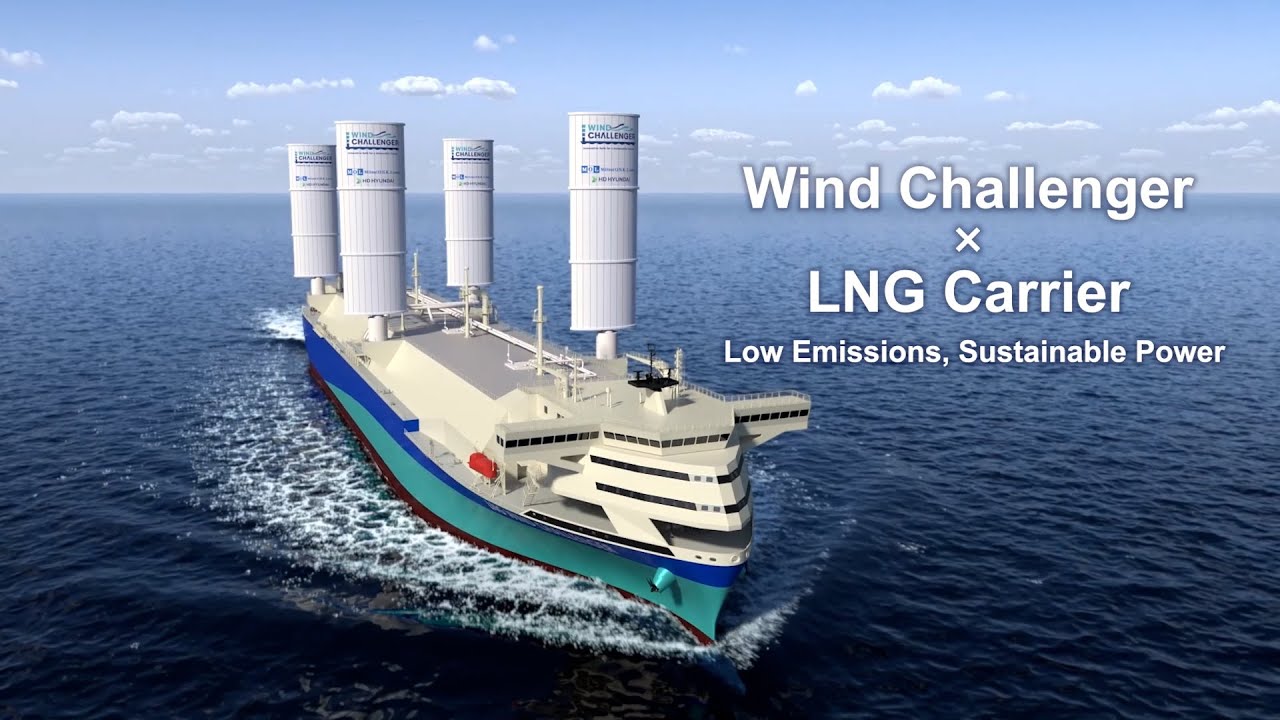
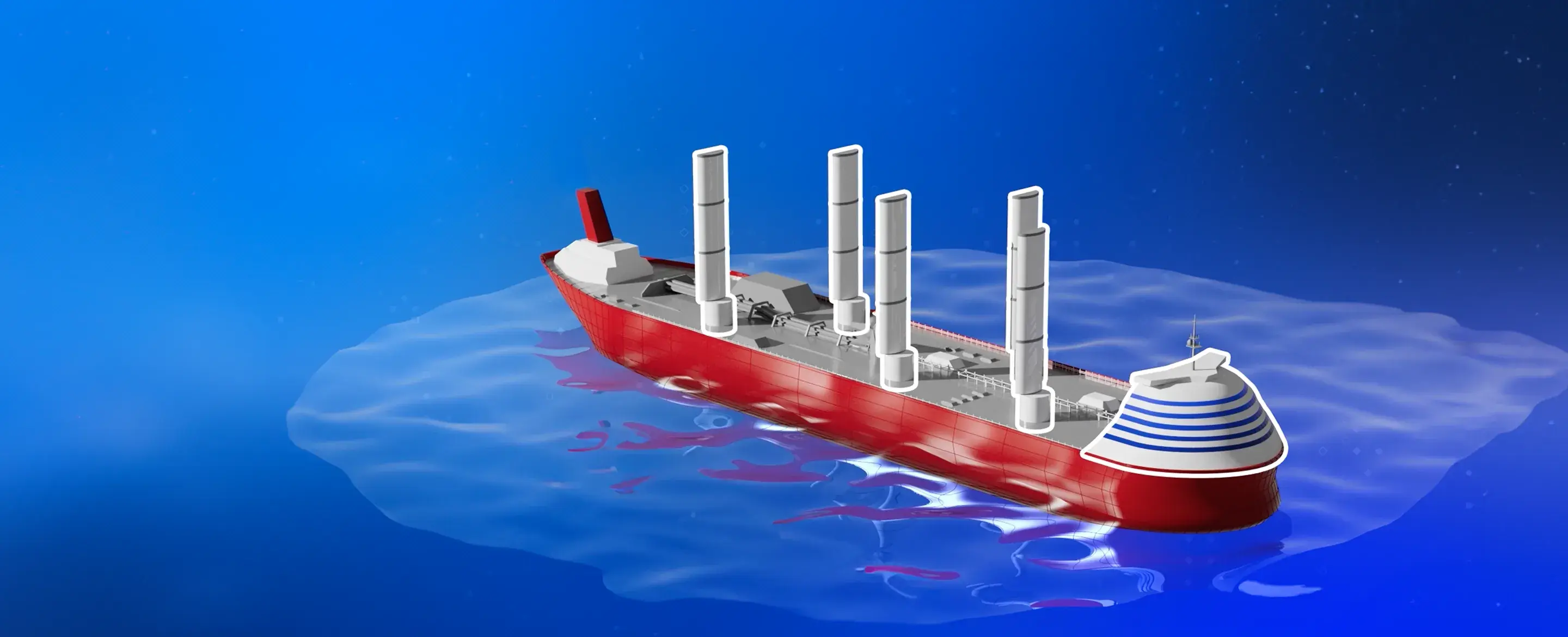
Approval in Principle (AiP) Obtained for a New LNG Carrier Equipped with 4 Wind Challenger Units
Mitsui O.S.K. Lines (MOL)'s Wind Challenger project achieves Approval in Principle for an innovative LNG carrier, enhancing fuel efficiency and reducing emissions with advanced wind propulsion technology.
-
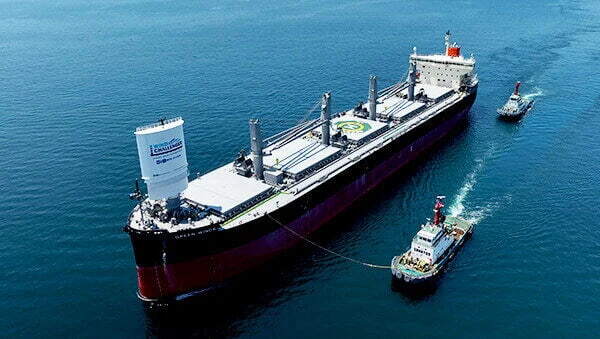
Delivery of the first crane vessel equipped with Wind Challenger
Mitsui O.S.K. Lines (MOL)'s initiatives on the world's first crane vessel equipped with the Wind Challenger.
-
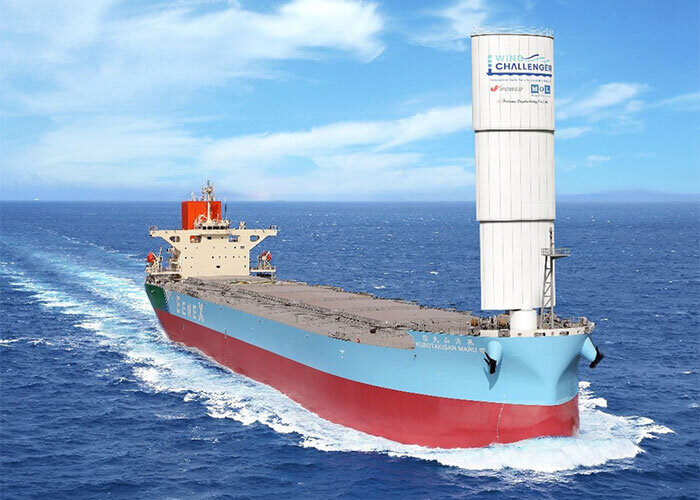
Installation of the Wind Challenger by Retrofitting on an In-service Vessel
Mitsui O.S.K. Lines (MOL) was decided to install Wind Challenger sails by Retrofitting on an in-service vessel.
-
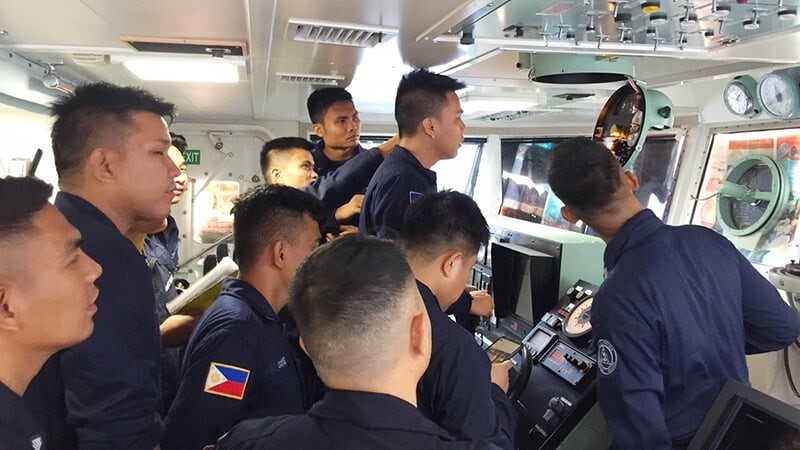
COAST GUARD ENGINEER TRAINING
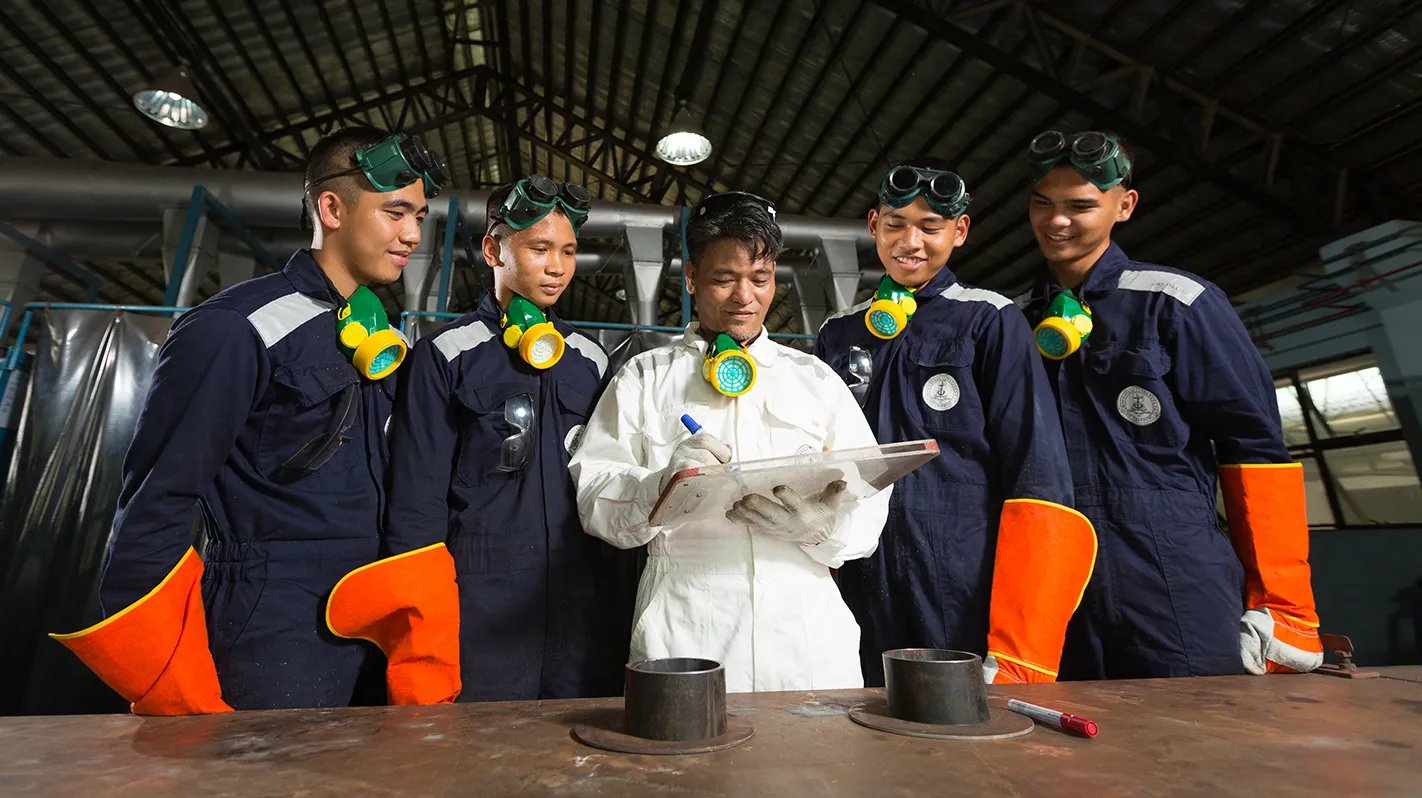
We provided training to Engineers from the Philippine Coast Guard to help them understand methods of operating main engines and generators and to improve their repair skills.
-
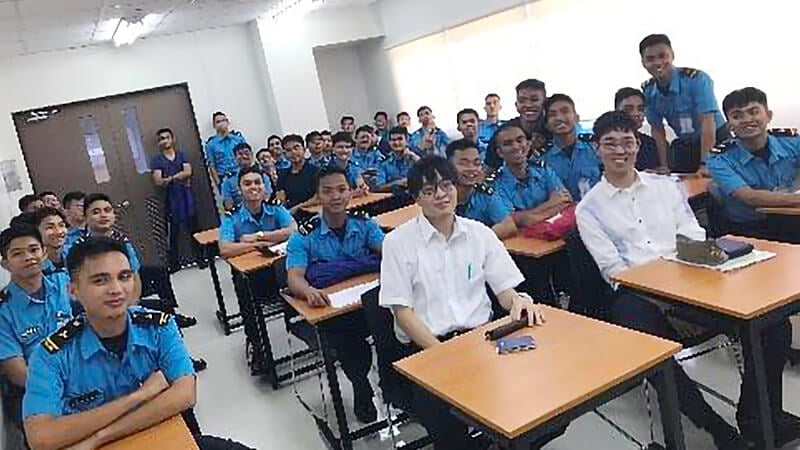
INTERNSHIP TUMST X MMMA
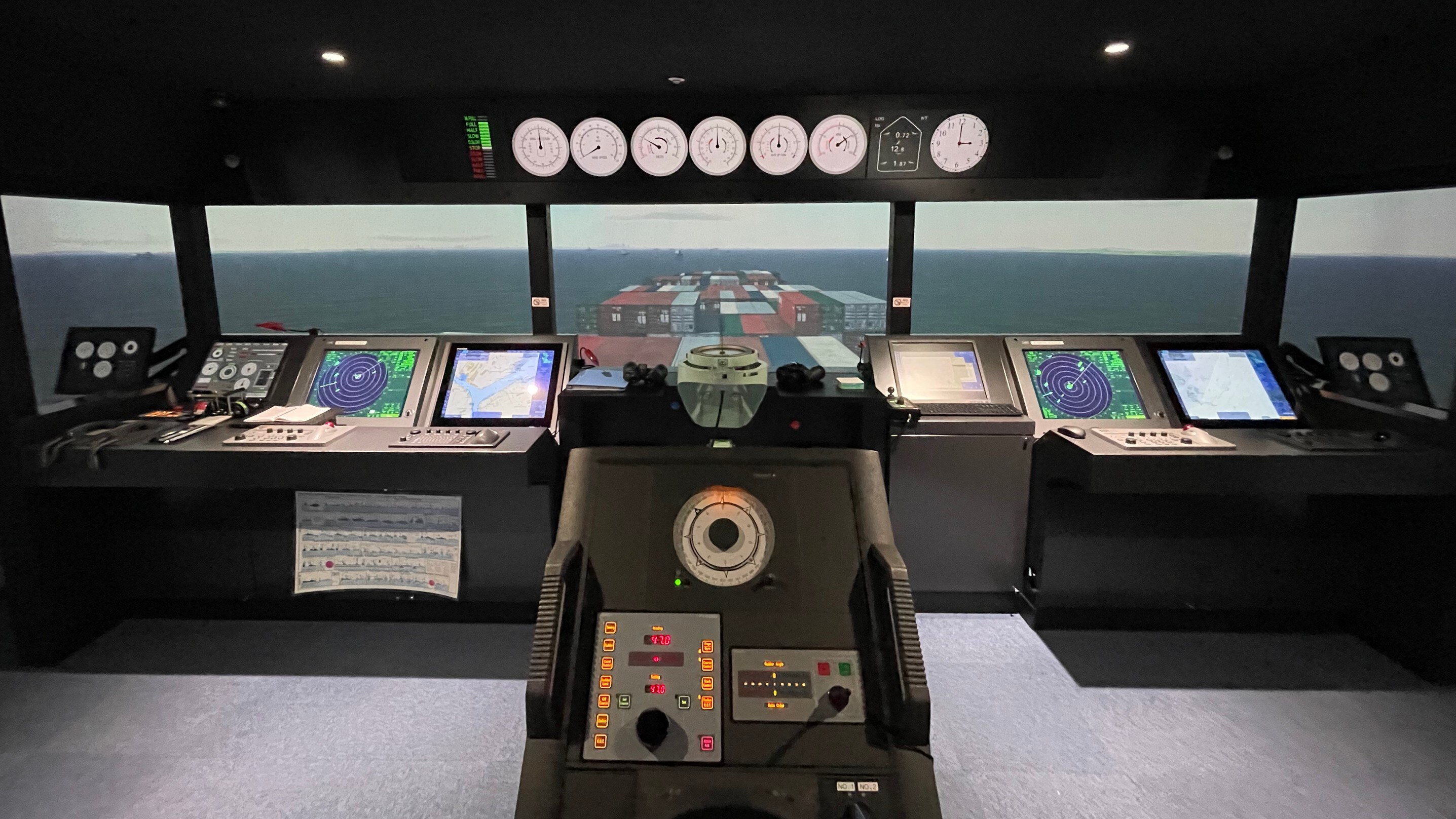
Students from MMMA and the Tokyo University of Marine Science and Technology interact through internship programs.
-
%E4%BB%A3%E6%9B%BF%E7%87%83%E6%96%99%E3%81%AE%E5%B0%8E%E5%85%A5%20ADOPT%20ALTERNATIVE%20FUELS-1.jpg)
ADOPT ALTERNATIVE FUELS
MOL Group is advancing the adoption of alternative fuels, including low‑carbon and zero‑emission fuels, toward net‑zero emissions by 2050.
By selecting fuels suited to vessel type and operations, efforts are expanded from practical solutions today to future large‑scale implementation.
Learn about MOL Group’s initiatives to adopt alternative fuels. -
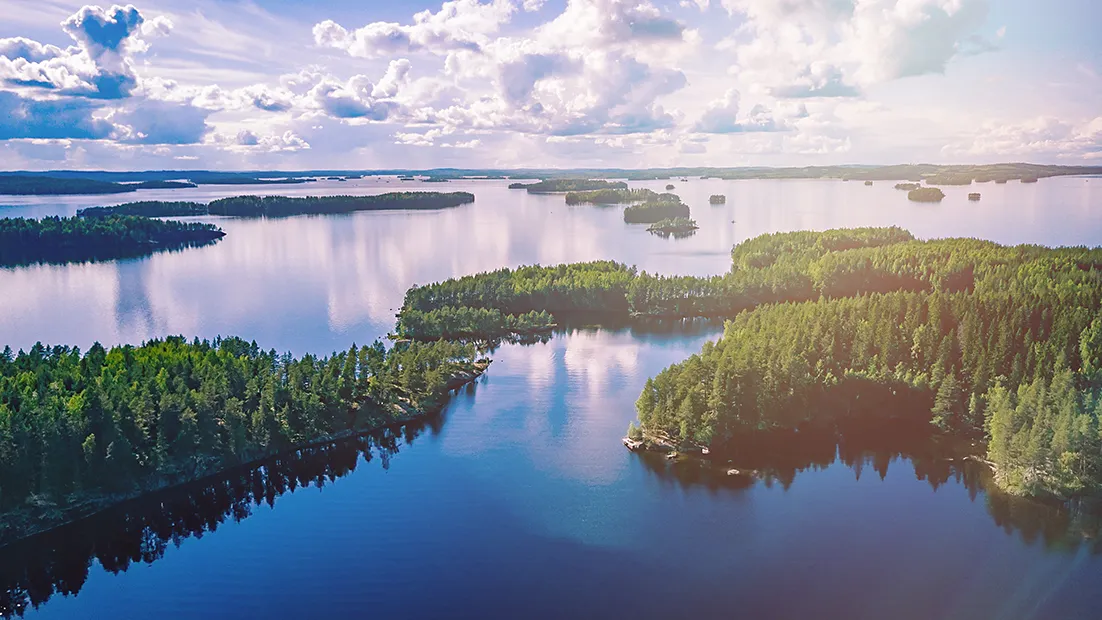
LOW-CARBON / DECARBONIZED BUSINESS
Toward net‑zero emissions by 2050, MOL Group is reducing its own GHG emissions and expanding low‑carbon and decarbonized businesses. These initiatives contribute to GHG reductions across manufacturing, transportation, and supply, within and beyond the value chain.
Learn about MOL Group’s initiatives in low‑carbon and decarbonized businesses. -
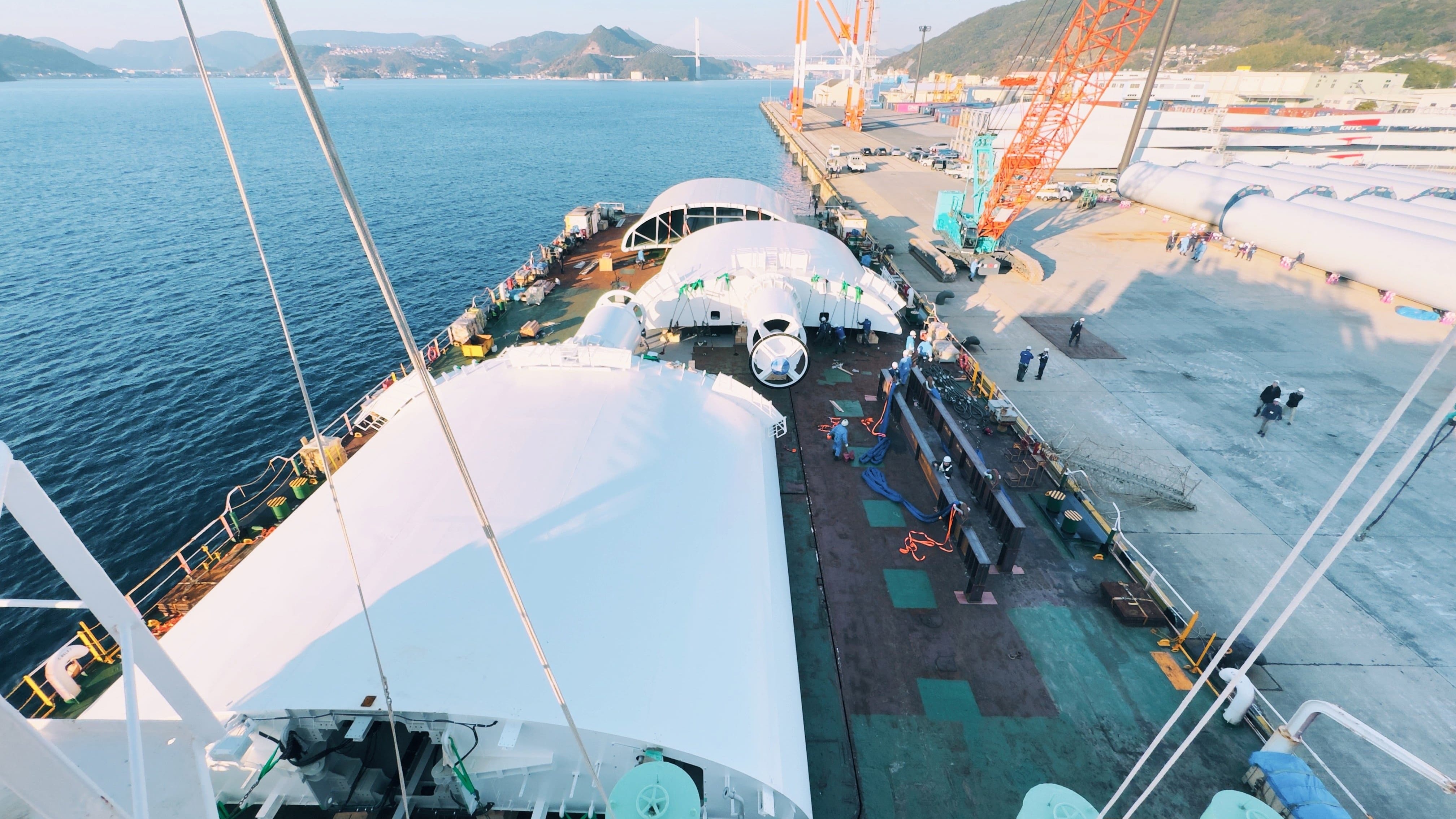
COMPREHENSIVE TRANSPORT
MOL Group provides comprehensive transportation solutions, including specialized transportation for heavy and oversized cargo. Leveraging the Group’s collective strengths and global network, we offer integrated services tailored to customers’ needs—from marine, land, and air transportation to installation.
Learn about MOL Group’s comprehensive transportation solutions.