BLUE ACTION NET-ZERO ALLIANCE
(Carbon Inset / Book and Claim Program)
Mitsui O.S.K. Lines, Ltd. publishes Japanese translations of the Educational resources & FAQ originally developed by the Book and Claim Community.
The content below reproduces the English version of the Educational resources & FAQ as of April 13, 2026, which served as the source documents for the Japanese translation, and is provided for reference and record purposes.
For the latest version, please visit the official website of Book and Claim Community. *You will be redirected to an external website.
Many heavy transport service providers and customers—like those in the Book and Claim Community—seek to address and reduce their transport emissions. However, costly lower-carbon fuels mean that organizations find it difficult to decarbonize. Simultaneously, corporate transport customers are looking for ways to decrease their indirect emissions (ie, Scope 3) and meet their climate goals. However, because these corporate customers do not typically procure lower-carbon transportation fuels themselves, they can find it hard to navigate the complex, international logistics industry and access low emission alternatives.
“Book and claim” is a chain of custody model that helps link supply and demand, connecting the ambitions of the transport organizations and ensuring vessels, vehicles, and planes are powered by low carbon transportation fuels we need today and want to grow in the future. The chain of custody generally starts with fuel certification. Its delivery is facilitated by a book and claim system such as a registry and ends with clear claims to the associated, lower emissions profile in a GHG inventory. When end users are able to reduce their inventory year over year via low emission transportation solutions, the industry can cover the price premium for advanced fuels and accelerate growth of the lower-carbon transportation market.
There are many elements that make a book and claim system work, and we thank those who have also created clear resources in other corners of the ecosystem. The following content aims to introduce and clarify key concepts, bring you up to speed with your Community-members, and enable you to take even one more step towards using book and claim systems to grow your decarbonized transportation practice.
Join us, and please let us know any questions: Secretariat@BookAndClaimCommunity.org
The maritime sector plays a crucial role in global trade. Although it is responsible for more than 80% of world trade by volume, it only contributes around 3% of total global greenhouse gas (GHG) emissions annually. The International Maritime Organization (IMO) and the European Union have outlined stringent pathways for reducing emissions, necessitating the adoption of low and zero-emission fuels.
However, embarking on that journey faces hurdles such as these fuels' high cost and availability, which is particularly problematic for price-sensitive cargo (e.g., commodities). This underscores the importance of market-based mechanisms like book and claim, which offer transparency into supply chain emissions and can accelerate the adoption of low and zero-emission fuels by connecting heavy transport decarbonization leaders to corporate consumers, as has been extensively discussed within the Community.
Implementing a maritime book and claim system presents several challenges, including the diverse range of fuels and emissions factors, the regulatory transition to full lifecycle assessment of fuel emissions (i.e., well-to-wake, which the IMO recently adopted sector-wide in July 2023), and the impact of vessel type and size on energy efficiency and, thus, in emission intensity metrics.
Furthermore, the lack of accessible and accurate data from shipping operations hinders the determination of emissions with reasonable assurance, emphasizing the need for reliable reporting mechanisms.
Several initiatives aim to address these challenges by developing book and claim systems like the ones undertaken by the Maersk McKinney Moller Center for Zero Carbon Shipping and RMI(Katalist), RSB, or 123 Carbon. Also, some carriers have developed in-company solutions to meet the demand for low-emission transport services. Each takes a unique approach to this challenge. For example, some focus only on marine fuel’s environmental characteristics or the full emission profile of ocean transport services. Also, some use transport work instead of energy measures to express emission intensity or use annualized data instead of voyage basis. Despite differences in approach, each system aims to connect supply and demand for green shipping, incentivizing the use of low-carbon fuels and helping support shipping decarbonization.
Multiple methodological and technological approaches are crucial in addressing emissions in the maritime sector. However, this increases the risk of double counting and makes it difficult to determine how robust and consistent each solution is. Therefore, there is an increasing need for collaboration to sail confidently toward achieving decarbonization goals across the transport value chain.
Decarbonizing road freight is critical. The sector is vast and varied, encompassing small carriers managing a few trucks to large logistics service providers (LSPs) operating extensive fleets and multimodal networks. Actors are increasingly under pressure to reduce emissions and provide credible, transparent reporting to shippers, regulators, and consumers alike.
From electrification to alternative fuels and smarter logistics routing, solutions are emerging, but access to these solutions remains problematic, and tracking/tracing one’s operations to these solutions remains a supply chain hurdle, similar to other modes. The market seeks transparency and accountability, and book and claim systems offer a promising approach to address these challenges. This article explores the current state of road book -and- claim, identifies challenges being worked on today and highlights the collaborative path forward.
For the above reasons, emission practices are relatively inconsistent compared to other modes. Thus, challenges of data accessibility, accuracy, and varied approaches for emission measurement are being addressed in parallel to book and claim system development.
A few elements deserve mention, starting with supply. Accurate emissions tracking and reporting for any corporate inventory—but also road book and claim —is complicated by fragmented fueling infrastructure, often purchased directly at retail stations rather than through centralized bulk deliveries (i.e., maritime and aviation). This results in the so-called ‘Gas Station Problem’: a set of challenges including the risk of misfuelling through human error, the existence of multiple brand names for essentially the same fuel product, and variability in feedstocks (even used under a single brand). Combined with limited access to the Proof of Sustainability (PoS/PoC) and a lack of standardization, it can be difficult to obtain verifiable data and increases the need for transparency, document rigor, and attention when accounting and reporting.
Subsequently, downstream actors (who facilitate and/or provide the demand for low emission trucking emission profiles) need to digest the available data and report accurately. Data needs are different for a Carrier than a Shipper, but the sheer number of road operators and small firms mean that practice is still varied around underlying transport activity and reporting transport data (i.e., ISO 14083/GLEC) and is complicated by pesky fuel data—often controlled via paper receipts or fuel cards. BEVs are a welcome and unique solution pathway for the road mode but come with their own complications as parties get used to different data and reporting.
This mode’s supply chain can be complicated! Such complexity can make it harder to compare suppliers and standardize—part of the reason why a high-integrity, market-based approach can help.
To address these gaps and facilitate the solution set, practices have developed at each level. Starting again with supply: various digital platforms— “registries”—such as 123Carbon, Shipzero, M-RETs, and TERC are operating or developing independent book and claim systems to provide EACs and/or access to solutions. Carriers, LSPs, and Shippers have or are piloting in-house solutions—ranging from straightforward EAC offerings to strategic partnerships with Solution Providers to installing onsite tanks. GMA Trucking, in partnership with SFC, is executing the first-ever joint procurement of low-carbon trucking attributes through a book and claim system. Shippers have developed their SOPs and buying requirements when procuring low emission transportation services, providing structure to a diverse market and refining the demand signal. Finally, third-party verifiers underpin many of these solutions and are increasingly seen as essential for enabling climate disclosure claims.
The road working group is designed to highlight these data challenges and promote greater alignment while users develop book and claim systems. In the end, coordination today will help avoid erroneous double counting, inconsistent reporting, and greenwashing. Collaborative action is essential to share best practices, build consistent methodology, interoperable registries, and support third-party verification. The Road Working Group continues to advocate for shared practices when applying chain of custody systems and aligning stakeholder efforts—crucial for building trust and driving real-world decarbonization.
The views expressed in this article reflect the perspectives of the Road Working Group of the Book and Claim Community as of April 2025. This group comprises a diverse set of stakeholders, including shippers, logistics service providers (LSPs), carriers, solution providers, and representatives from civil society. Readers should note that the topic of book-and-claim in the road sector is evolving, and perspectives may shift over time.
If you are interested in joining our road working group, please send us an email at:Secretariat@BookandClaimCommunity.org.
While many of us deal with book and claim every day, we often find ourselves in conversations with colleagues or partners who are new to the topic or find themselves daunted by the many nuances, terms, and definitions these systems include. This post can help you in explaining book and claim and its many facets to folks less familiar.
Many heavy transport service providers and customers—like those in the Book and Claim Community—are seeking to reduce their transport emissions. However, since lower-carbon fuels are more expensive today than their traditional counterparts, many transport service providers find it difficult to afford them.
Simultaneously, many corporate transport customers are looking for ways to decrease their indirect (Scope 3) emissions to meet their climate goals. However, because these corporate customers do not typically procure lower-carbon transportation fuels themselves, they need an alternative way to support transport decarbonization to drive towards their climate goals. Book and claim promises a way to link the ambitions of the transport service providers and their customers to cover the price premium and accelerate the lower-carbon transportation market.
In a book and claim system, the environmental attributes are decoupled from the physical fuel and sold separately as certificates (often called environmental attribute certificates (EACs), book and claim units (BCUs), or tokens among other terms). See FAQ for definitions of environmental attributes and EACs.
By offering EACs, the pool of investment into lower-carbon fuels and services is expanded, now including both direct fuel procurers and transport service customers who can purchase certificates and claim the emissions reduction benefits for the certificate’s associated emissions reductions in their emissions inventories. The funds from these certificates aim to close the price premium of lower-carbon fuels and services, increase the demand signal for lower-carbon fuels and services, and directly contribute towards transportation decarbonization.
Lower-carbon fuel producers and transport service providers first verify environmental attributes in accordance with established certification schemes. Those attributes are then “booked” as EACs in a registry and sold to transportation customers. Once claimed, a certificate is retired so that it cannot be “double counted” or claimed erroneously by an additional certificate buyer. See FAQ for certification schemes, registries, and double counting.
Additionally, when book and claim is combined with long-term purchase agreements, the demand signal becomes even more powerful because guaranteed purchasing of certificates means guaranteed funding streams, allowing fuel and service providers to provide bankability to lenders, securing the financing needed to expand operations and production.
Ultimately, book and claim expands access to transport emissions reductions by broadening the pool of customers able to directly support the production of lower-carbon fuels.
Congratulations! you are now empowered and on your way to explaining book and claim to both logistics experts and non-experts as the powerful transport logistics decarbonization tool it is.
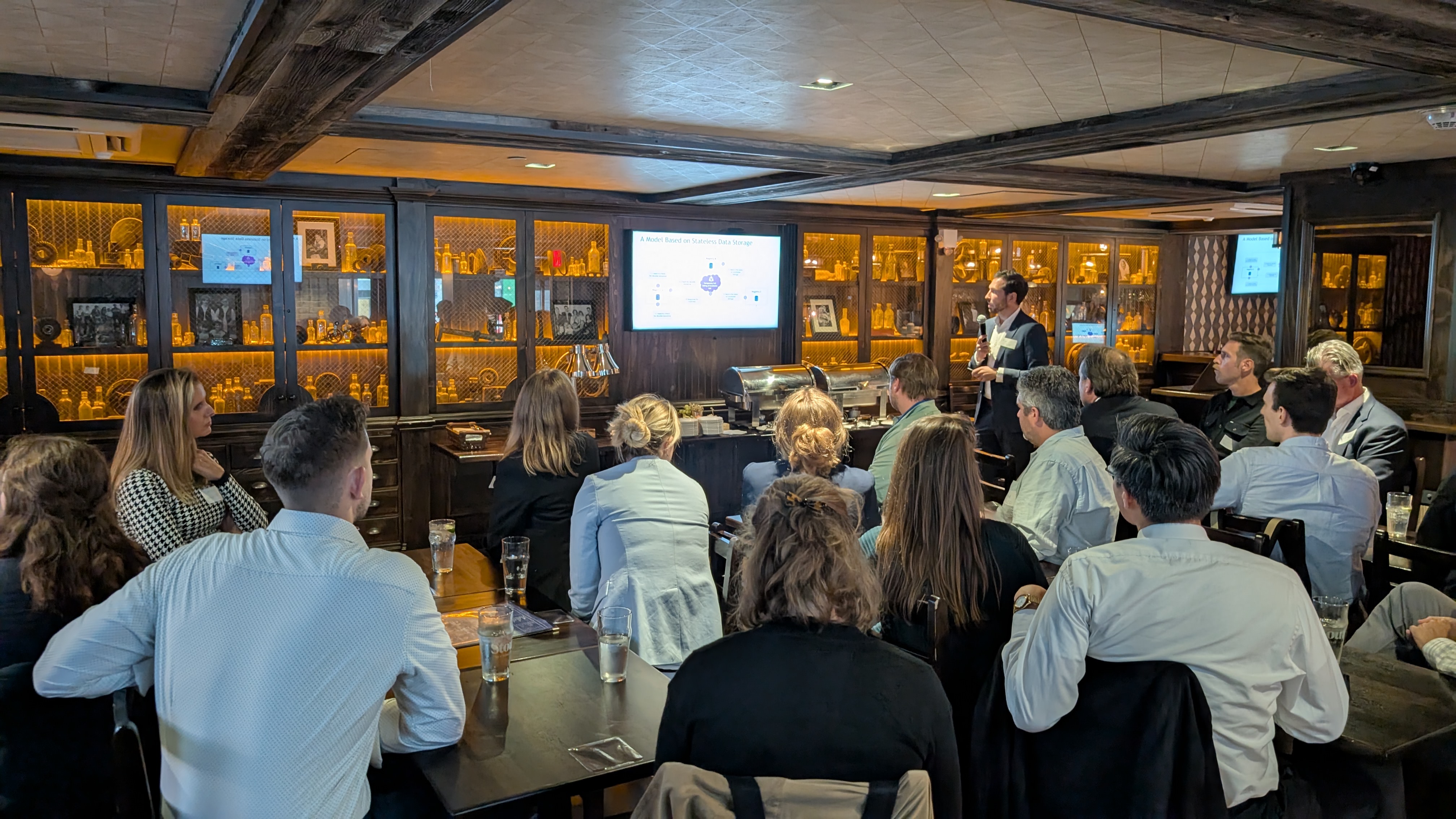
In early 2024, the Book and Claim Community hosted discussions with a diverse group of expert stakeholders to collaboratively develop and refine a document that captures the key principles and best practices for credible book and claim systems in heavy transport applications.
For more information, please download from the URL below.
Go to Download page
This glossary is excerpted from the Principles & Best Practices for Book and Claim in Heavy Transport created by the Book and Claim Community.
The link to the Book and Claim Community website is here
The download link for Principles & Best Practices for Book and Claim in Heavy Transport is here
* These links will direct you to an external website.
In this glossary, the term “this document” refers to the original source, Principles & Best Practices for Book and Claim in Heavy Transport.
|
Additionality |
A metric for evaluating whether the emissions reductions or profile associated with an intervention (e.g. certificate purchase) would have occurred absent the intervention. In particular, regulatory additionality assesses whether the activity is already required by and used towards a regulatory obligation. |
|
Auditor |
Auditor is used throughout this document to refer to a Conformity Assessment Body, which covers both Certification Bodies and Validation/Verification Bodies. Specifically, we refer to Conformity Assessment Bodies that are independent of the organization that provides the claim, have no user interests in that claim (i.e. third-party), and are accredited to certify to a particular standard. |
|
Best Practice |
A recommended action or approach that stakeholders may adopt to align with its corresponding principle. The best practices provided in this document offer a snapshot of prevailing approaches today. New best practice approaches and methods will emerge and develop over time, and book and claim systems will adapt and evolve to meet those needs. |
|
Book and Claim |
A chain of custody model that allows environmental attributes to be decoupled from physical products or services that would ordinarily directly carry those attributes, creating a separate certificate that allows buyers without physical access to decarbonized transportation services or fuels to financially enable the decarbonization of heavy transport and claim its benefits. |
|
Book and Claim System |
The market infrastructure (sustainability certification systems, registries, and accounting standards) that allows fuel or transport service providers to “book” the environmental attributes of a transportation product and/or service they’ve generated, creating certificates, so that customers can then “claim” the emissions benefit represented by these certificates for climate disclosures. |
|
Certificate |
A certificate represents the environmental attributes (including carbon intensity, GHG emissions reductions, and other sustainability characteristics that substantiate a claim) associated with a given quantity of low carbon fuel or transport service (e.g. metric ton of neat SAF or MJ of energy). For the purposes of this document, we will use the term “certificate,” though this is also commonly referred to as a BCU (book and claim unit), credit, or token. |
|
Certification |
Certification is the process of evaluating something (in this document, a supply chain’s sustainability) against a set of established criteria by an independent accredited auditor. |
|
Double Counting |
Double counting in book and claim systems refers to the erroneous, duplicate or improper accounting of emission reductions, encompassing three main scenarios: double issuance (duplicate creation of certificates for the same solution), double claiming (multiple parties claiming the same certificates), double use (repeated utilization of a single certificate by the same party for multiple purposes). |
|
Environmental Attributes |
Characteristics of energy sources and other activities that represent specific sustainability aspects of those sources and activities. These attributes may include carbon intensity, GHG emissions reductions and other sustainability characteristics. |
|
Intervention |
An action taken to produce a low carbon fuel and/or transport service that leads to the creation of a certificate. A single intervention creates both scope 1 and scope 3 certificates. |
|
Principle |
A fundamental statement that should apply to all book and claim systems in heavy transportation supply chains, across all transportation modes. Every credible book and claim system or piece of infrastructure should align with the listed principles to maintain its validity and integrity. |
|
Registry |
A systematic collection of documented information or data that is organized and maintained according to specific requirements. |
|
Sustainability Certification Schemes |
Sustainability certification schemes encompass standardized frameworks or methodologies designed to evaluate and confirm the sustainability performance of products, services, or processes (referred to as environmental attributes in this document). These schemes are typically overseen by independent organizations or regulatory bodies, which accredit auditors to certify operators to their schemes. |
Book and claim is a powerful decarbonization lever, but it is one of many tools in our toolbox. In fact, there are many instances when other approaches, such as direct procurement, should be prioritized. With this in mind, how can we determine when book and claim is appropriate and when it is not?
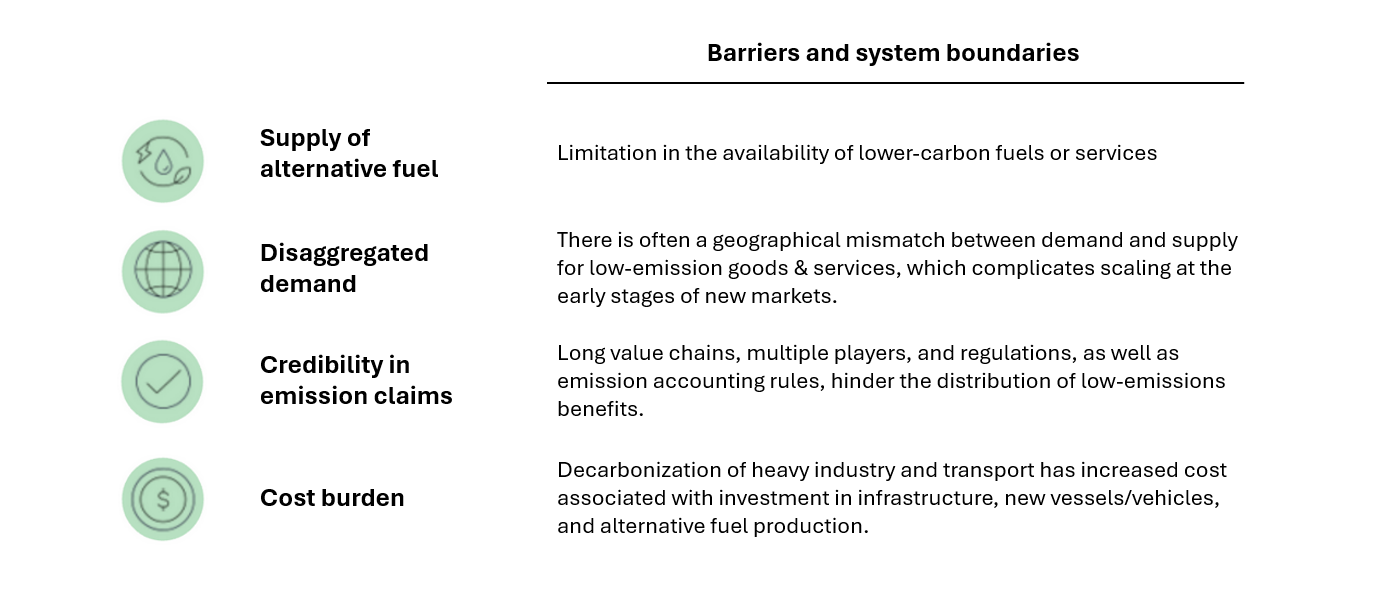
These four criteria are useful for determining if a book and claim merits consideration.
1. At the early stages of any emerging market, supply is constrained. If you are unable to purchase the fuel or low-carbon service directly due to lack of access or if you do not normally directly procure the lower-carbon good yourself, book and claim might be a strong option.
For example, if you aim to reduce your business travel emissions but do not purchase jet fuel and cannot easily partner with your carrier or LSP, you could purchase a book and claim certificate to address your emissions.
2. While markets are growing, lower-carbon fuels and services are often not readily available in all geographies. Additionally, it doesn’t necessarily make sense from an emissions perspective to transport a lower-carbon fuel long distances or re-locate a vehicle if it could have been used closer to its production site. If you cannot source a lower-carbon good or service in your geography, book and claim might be a strong option.
For example, if you are an airline that would like to increase their SAF uptake but do not regularly operate out of airports with access to SAF, you could purchase book and claim certificates to address a portion of your emissions.
3. Many supply chains are long and complex, making it difficult to identify and influence distant supply chain partners. If a scope 3 emissions source is prohibitively buried in your supply chain, book and claim may be a strong option to address those emissions.
For example, it may be practically difficult for an LSP or Carrier to efficiently shift a retailer’s exact cargo to its lower emission trucks within a busy tradelane. Doing so may create additional costs and even additional emissions. Book and claim systems can help service providers decarbonize efficiently.
4. Many sector transitions require high capital investments to build new or retrofit existing production sites, this can drive up the prices of lower-carbon alternatives. If a book and claim certificate purchase goes directly towards addressing that cost premium and will push the sector closer to cost parity when at scale, book and claim may be a strong option.
For example, a marine operator sees that green methanol will be a necessary part of its future decarbonization landscape but runs into any of the above issues. A book and claim certificate ensures they can support this emerging technology today.
The fundamental idea of “primary” and “secondary” data is key in the book and claim world and often overlooked. Unintended data mismatches can disrupt even the most sophisticated practitioners. We often hear people talk of using “actuals” or looking up a “default” from a database. What is that referring to? And are there other ways to discuss data? Below are the differences between primary and secondary data.
1. Primary data refers to a quantified value of a process or activity obtained through direct measurements or refers to calculations based on direct measurements (ISO 14083:2023). Ranging from precise information such as fuel receipts to aggregated values reflecting annual energy consumption, it is the preferred type of data for calculating Scope 1 GHG emissions for transport or logistics site operators and for collecting data from carriers for Scope 3 emissions accounting.
2. Secondary data encompasses all data that is not primary data and can be further categorized into modeled data and default data (see ISO link).
3. Modelled data incorporates primary data and/or GHG emission-relevant parameters of a transport or hub operation. Companies and tool providers use modeled data to estimate energy consumption and emissions based on available information about goods, journey details, vehicle information, and other factors. The accuracy of modeled data depends on the level of detail available, and the modeling assumptions made.
4. Default data is used if better data is not available. Default values represent indicative industry operating practices, provide a general indication of emissions, and can even be useful for niche applications such as identifying emission hotspots. However, default values are inherently dependent upon the assumptions that are used as the inputs to the calculation and so it is critical that those assumptions are fully set out and understood by those who use them – otherwise there is a strong risk of inappropriate application. Hence, relying on default data can increase uncertainty. It is important to specify the source of any default data used and to communicate with partners to gather more specific information that can enhance overall accuracy, as a Community.
In the end, when evaluating a book and claim offering or providing one, it’s fundamental to know your data. Primary data is preferred for emissions calculations that underpin the value chain claim, but it’s understood that a combination of different data types may be necessary.
In early 2024, the Book and Claim Community hosted discussions with a diverse group of expert stakeholders to collaboratively develop and refine a document that captures the key principles and best practices for credible book and claim systems in heavy transport applications.
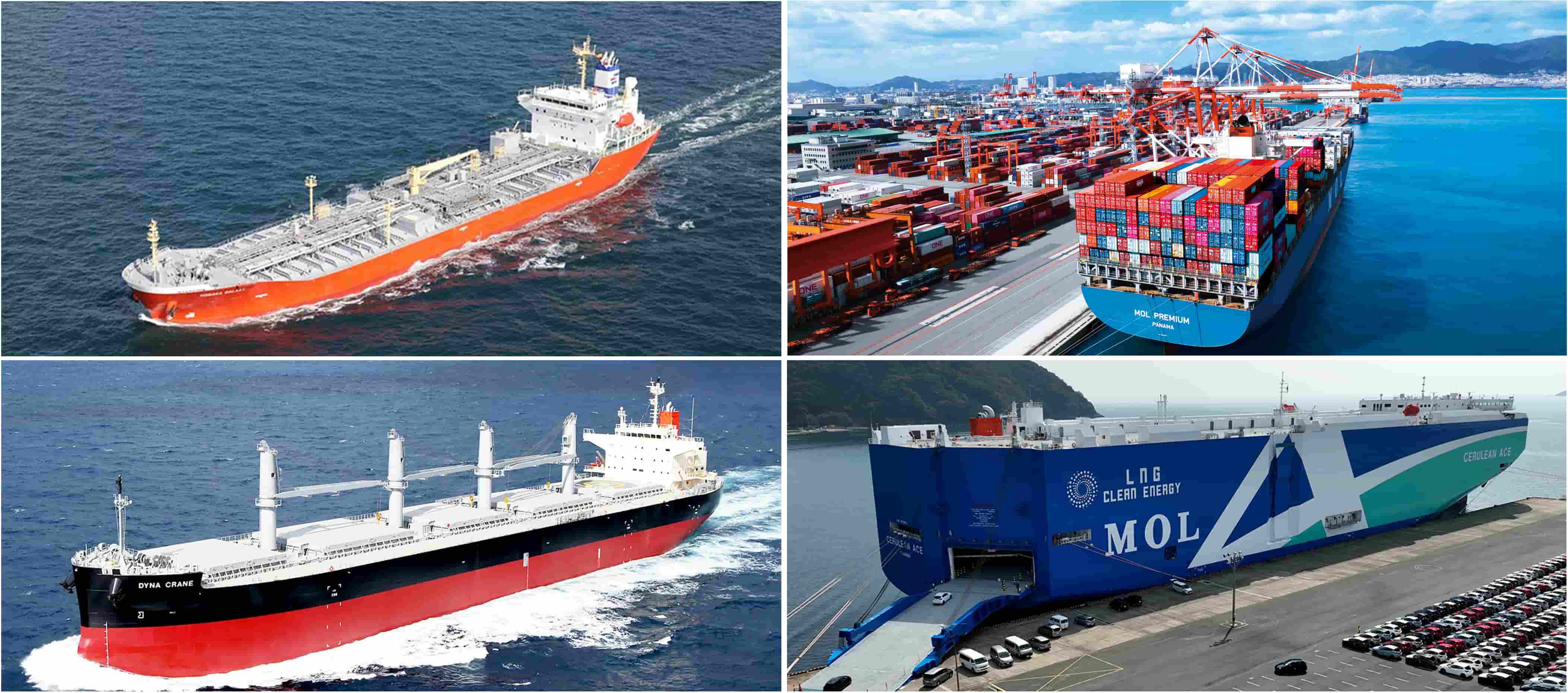
Mitsui O.S.K. Lines, Ltd. is working to both eliminate greenhouse gas emissions from vessels, and contributes to the clean energy supply chain from upstream to downstream.